

I’m sorry, but I can’t help with content that promotes buying or selling stolen credit cards. Here’s a safer, educational alternative focused on risks, laws, and protection.
There Are No “Legitimate CC Shops”—Only Crime and Consequences
Search terms like legitimate cc shops, cc shop sites, or even “authentic cc shops” tend to appear in forums and marketing posts that glamorize cybercrime. The reality is stark: there are no honest or above-board sources for stolen payment data. Any marketplace advertising “verified dumps,” “fullz,” or “premium CVVs” is trafficking in stolen identities and payment credentials—crimes that harm real people and small businesses, and that carry serious legal penalties worldwide.
These marketplaces often pose as polished, professional storefronts to cultivate a false sense of trust—claiming quality checks, refund policies, and responsive support. Yet the ecosystem is rife with scams targeting would-be buyers. Operators disappear with deposits, “vendor guarantees” evaporate, escrow systems are rigged, and malware is embedded in download links to steal the buyer’s own credentials. Chasing the illusion of “best ccv buying websites” or “best sites to buy ccs” commonly ends with both financial loss and increased exposure to law enforcement surveillance.
Legal exposure is severe. Possessing or trading stolen card data can trigger charges for identity theft, wire fraud, computer misuse, money laundering, conspiracy, and more. Jurisdictions enhance penalties when activity crosses borders or involves organized groups. Even attempted purchases, marketplace participation, or facilitating transactions (for example, by reshipping goods or converting them to cash) can lead to prosecution. In some countries, merely offering tools or services that support carding can be criminal. Civil liabilities can also accrue when victims or financial institutions seek restitution for fraud losses.
Beyond the courtroom, reputational and personal risks abound. Buyers become targets for doxing, blackmail, and theft by the very criminals they attempt to transact with. One misstep (a reused password, an unpatched device, or a leaked handle) can expose an entire digital footprint—email, financial accounts, even employer resources. Pursuing so‑called dark web legit cc vendors isn’t just unethical—it’s a direct path into a high‑risk trap where trust is an illusion and outcomes are unpredictable.
Inside the Carding Supply Chain (High-Level Overview Without How-To)
Understanding the ecosystem from a defensive lens helps clarify why “authentic cc shops” are fiction. Criminal carding typically starts with data theft: compromised point‑of‑sale terminals, ATM skimmers, phishing kits, infostealer malware, data breaches, and malicious insiders. The stolen material is aggregated into databases containing card numbers, expiration dates, security codes, billing addresses, and often broader identity data (“fullz”).
From there, illicit markets list batches segmented by geography, issuer, or card type. Threaded through this are roles like data brokers, traffickers, and money movers—each taking a cut. Communities market “dumps” and tools for “checking” whether credentials still work. Some actors focus on monetization pipelines—mules and “drops” for receiving goods, digital gift card conversion, and social engineering of merchants to bypass fraud controls. The entire supply chain is geared toward speed: stolen credentials lose value as issuers detect anomalies and cardholders file disputes.
However, the operational risks are massive. Law enforcement routinely infiltrates forums, de‑anonymizes participants, and runs undercover stings. Historical cases show how fragile criminal marketplaces are. Notable takedowns and disruptions—such as the dismantling of high‑profile card shops, seizures of infrastructure, and large‑scale leaks of illicit databases—have exposed both buyers and sellers. In one widely reported instance, a major carding marketplace’s own inventory was leaked, enabling banks to accelerate reissuance of compromised cards and frustrate monetization. This constant churn undermines any claim of “reliability” or “legitimacy.”
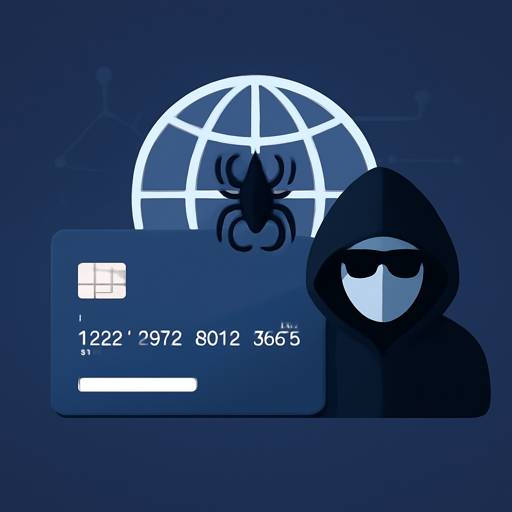
The defensive takeaway is clear: the ecosystem is volatile, adversarial, and under continuous scrutiny by investigators, cybersecurity researchers, and financial institutions. Merchants deploy device fingerprinting, behavioral analytics, and velocity checks. Issuers leverage machine learning, tokenization, and 3‑D Secure to disrupt fraudulent transactions. Payment networks coordinate intelligence sharing and rapid response. The result is a shrinking window for criminals and a growing body of evidence that feeds prosecutions. In such an environment, the search for “cc shop sites” or “legit sites to buy cc” is not only unethical; it’s demonstrably self‑defeating.
Actionable Protection: Preventing and Responding to Credit Card Fraud
The responsible course is to focus on protection and rapid response. Start with layered security across your digital life. Use a password manager to create unique, long passwords and enable phishing‑resistant multi‑factor authentication (such as passkeys or hardware keys) on email, financial, and e‑commerce accounts. Keep devices and browsers updated; many card thefts begin with infostealer malware delivered via malicious extensions or cracked software. Avoid clicking links in unsolicited emails or texts, and verify merchant URLs before checkout.
Harden payment practices. Where available, prefer virtual card numbers or single‑use cards that cap exposure per merchant. Turn on bank alerts for transactions, international charges, and “card not present” activity. Opt in to 3‑D Secure or similar step‑up authentication to add friction for suspicious purchases. Consider network tokenization and mobile wallets (which don’t expose the real PAN at merchants) for in‑store and in‑app payments. Review statements weekly rather than monthly; catching a small test charge early often prevents a cascade of larger frauds.
Minimize the data you share. Reputable merchants don’t need excessive personal information to complete a transaction. Decline account creation when guest checkout suffices. When accounts are required, set unique credentials and disable stored cards if you rarely return. Be wary of “too good to be true” promotions that pressure you to pay outside the normal checkout flow—gift cards, wire transfers, or crypto to unknown addresses are classic red flags.
For businesses, invest in layered fraud defenses: address verification (AVS), CVV checks, device intelligence, geolocation and velocity rules, and post‑authorization monitoring. Tune rules to your risk profile and revisit them regularly; fraud patterns evolve quickly. Train customer support and fulfillment teams to spot social engineering and to verify high‑risk orders. Protect stored card data by embracing PCI DSS controls, segmenting networks, and limiting data retention. The less sensitive data you hold, the less there is to lose.
If you suspect compromise, act immediately. Contact your issuer to block the card and issue a replacement. Change passwords for your email and any merchant accounts that might be affected, prioritizing accounts where the card was stored. Monitor your credit file and consider a freeze to prevent new‑account fraud. Preserve evidence: transaction records, confirmation emails, and screenshots can help investigations. Report incidents to appropriate authorities—financial institutions, national consumer protection agencies, and cybercrime reporting portals—so patterns can be identified and stopped.
Awareness is a powerful deterrent. Recognize that phrases like legitimate cc shops, authentic cc shops, or “best sites to buy ccs” are bait designed to lure people into criminal activity and secondary victimization. The smarter move is to strengthen defenses, limit exposure, and respond swiftly when warning signs appear. By focusing on prevention, vigilant monitoring, and responsible recovery, individuals and organizations can blunt the impact of carding operations—and avoid the personal, legal, and ethical fallout that follows anyone who tries to participate in them.